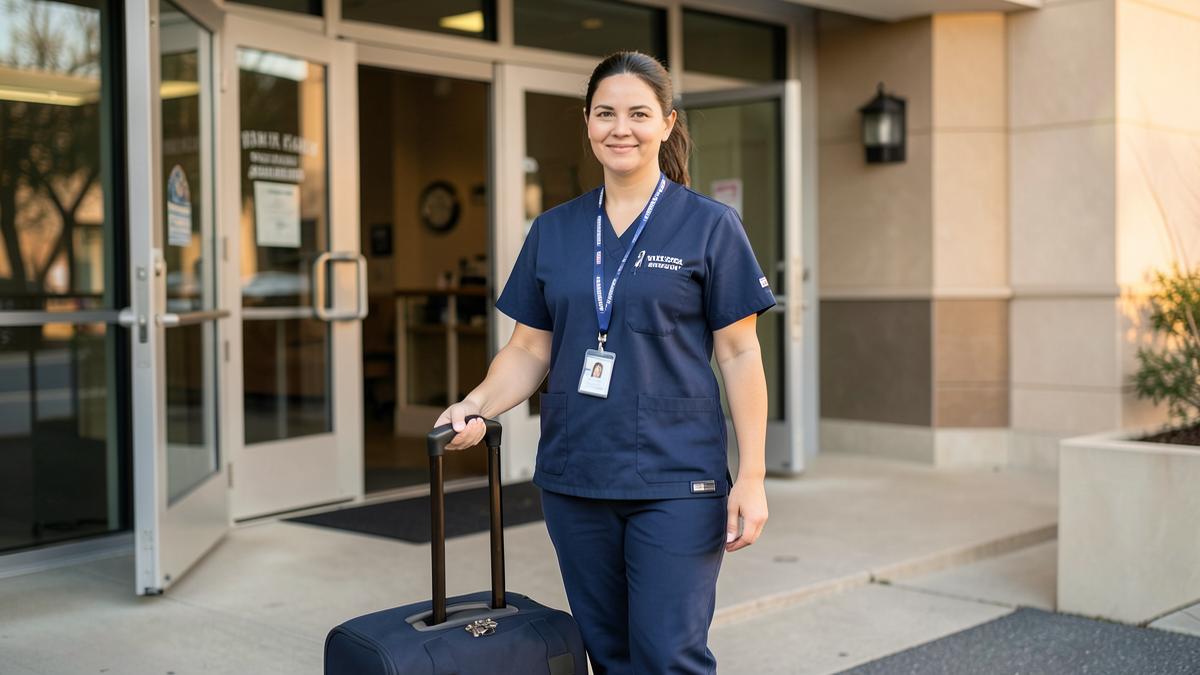
Night Shift, Cortisol & Your Life Insurance Exam: A Nurse's Guide
How 12-hour night shifts can move blood pressure, glucose and liver values during a life insurance exam, plus how to time the appointment and which no-exam paths exist.
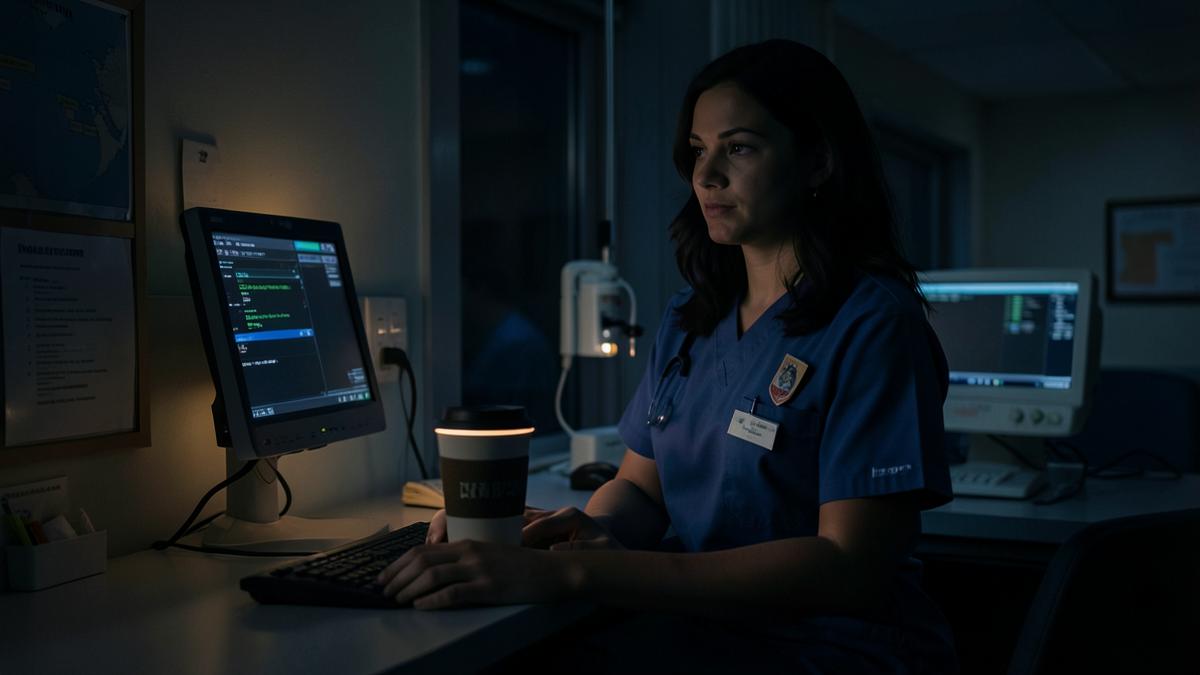
I work nights. I also read life insurance labs for a living now. So this is the article I wish someone had handed me before my own paramedical exam.
The short version: shift work is not usually a rating factor by itself. The numbers the examiner captures on the day are what get rated, and a body running on four hours of daytime sleep does not produce its best numbers.
What circadian disruption does to the values a carrier reads
Nurses know the physiology better than most applicants, so I will keep it clinical and brief. Sustained night work is associated in the literature with altered cortisol rhythm, reduced insulin sensitivity, higher average blood pressure, and shifts in lipid and hepatic values. Individual variation is enormous. Some of us look identical on nights and days; some of us do not.
The values that most often move enough to matter on an application:
- Blood pressure, taken once, by an examiner, in your kitchen, after a night shift and a coffee. This is the single most common reason a healthy nurse gets a worse offer than expected.
- Fasting glucose and A1C. Night eating and disrupted sleep can nudge both.
- Liver values such as ALT and GGT, which also respond to alcohol, recent intense exercise, and some supplements.
- Resting pulse, which is read alongside blood pressure and can be elevated by short sleep and stimulants.
- Urine specific gravity, which mostly tells the lab how dehydrated you were, and dehydration can distort other results.
None of these are moral failings. They are a snapshot, and the goal is to make the snapshot representative rather than flattering.
Pre-exam protocol
This is what I would tell a coworker, and it is not medical advice for your particular history. Talk to your own clinician before changing anything about your medications or routine.
- Schedule for a day off after real sleep. Not the morning after your third twelve. Late morning after a normal sleep block is ideal.
- Hydrate the day before, not just that morning. Two days of decent intake shows up in the numbers.
- Follow the fasting instructions the examiner gives you, exactly, including the window. Do not improvise a longer fast to look better; it can backfire.
- Skip alcohol for several days beforehand, and skip a hard workout the day before. Both can move liver values and blood pressure.
- Go easy on caffeine and any energy drinks the morning of. If you take a stimulant medication as prescribed, keep taking it as prescribed and disclose it.
- Take your regular prescriptions as prescribed, and have the list ready with doses. Treated and controlled reads better than absent and unexplained.
- Sit quietly for five minutes before the blood pressure cuff goes on, and mention it if the first reading looks unlike your normal.
- Bring recent numbers from your own provider if you have them. A pattern beats a single reading.
Tobacco and nicotine deserve their own line. Nicotine of any kind, including vapes, pouches and cessation products, generally places you in a tobacco class, and it will be in the specimen. Rates for tobacco classes are dramatically higher, and most carriers require a period of being nicotine-free before reconsideration, commonly a year or more. Disclose it either way; a discovered nondisclosure is a much worse outcome than a tobacco rate.
If the results come back unfavorable
This happens, and it is not the end of the file. Options we use routinely:
- Request reconsideration with a fresh panel drawn on a rested day, sometimes with a short letter from your own provider giving context.
- Move the file to a different carrier. Carriers genuinely differ in how they read a borderline A1C, a controlled blood pressure history, or a family history entry.
- Take the offer now with a plan to re-underwrite later. Coverage in force beats an ideal rate that does not exist yet.
No-exam and fast-track paths
Accelerated underwriting has changed this a lot. Many healthy applicants now qualify for meaningful face amounts with no blood draw at all, decided from application answers plus prescription, motor vehicle and claims data. Carriers we place often, including American-Amicable and Mutual of Omaha among others, have fast-track programs of this kind.
The trade-offs are real and worth saying out loud. Exam-free products can price slightly higher than a fully underwritten policy for someone who would have tested very well, and face amount limits are lower. For a nurse who tests well, the exam is often worth the mild inconvenience. For a nurse whose numbers swing with the schedule, or who simply will never get around to the appointment, exam-free coverage in force is the better real-world outcome.
Eligibility depends on your age, the amount, and your history. We tell you which path you are on before you apply, not after.
Why we look at your chart first
Two licensed nurses read your medications and history before any carrier does. That means we know before submission whether a value is likely to be a problem, which carrier reads it most favorably, and whether the exam is your friend or something to route around.
One 25-minute call, no pressure and no endless follow-up. Bring your med list.
Frequently asked questions
- Can night shift work by itself raise my life insurance rate?
- Shift work is not usually a rating factor on its own. What matters is the numbers the exam captures, and circadian disruption can push blood pressure, fasting glucose and some liver values in an unfavorable direction on a bad day.
- When should I schedule the paramedical exam?
- On a day you have genuinely slept, not straight off a run of nights. Late morning after a normal sleep block, fasted per the examiner's instructions, hydrated the day before as well as that morning.
- What if my labs come back worse than expected?
- Carriers routinely reconsider on a fresh set of values or a physician letter, and we can also shop the file to a carrier that reads that particular result differently. One unfavorable panel is not the end of the process.
- Can I skip the exam entirely?
- Often yes. Many healthy applicants qualify for accelerated underwriting up to substantial face amounts, which decides from questions, prescription and claims data rather than a blood draw. Eligibility depends on age, amount and history.
Peace of mind, backed by nurses.
Free 20-minute coverage review. No pressure. Just clarity.
Book my coverage review