Life Insurance With COPD in Alabama: Honest Options
COPD narrows your options but rarely closes them. Here is what mild, moderate, and oxygen-dependent COPD realistically qualify for in Alabama.
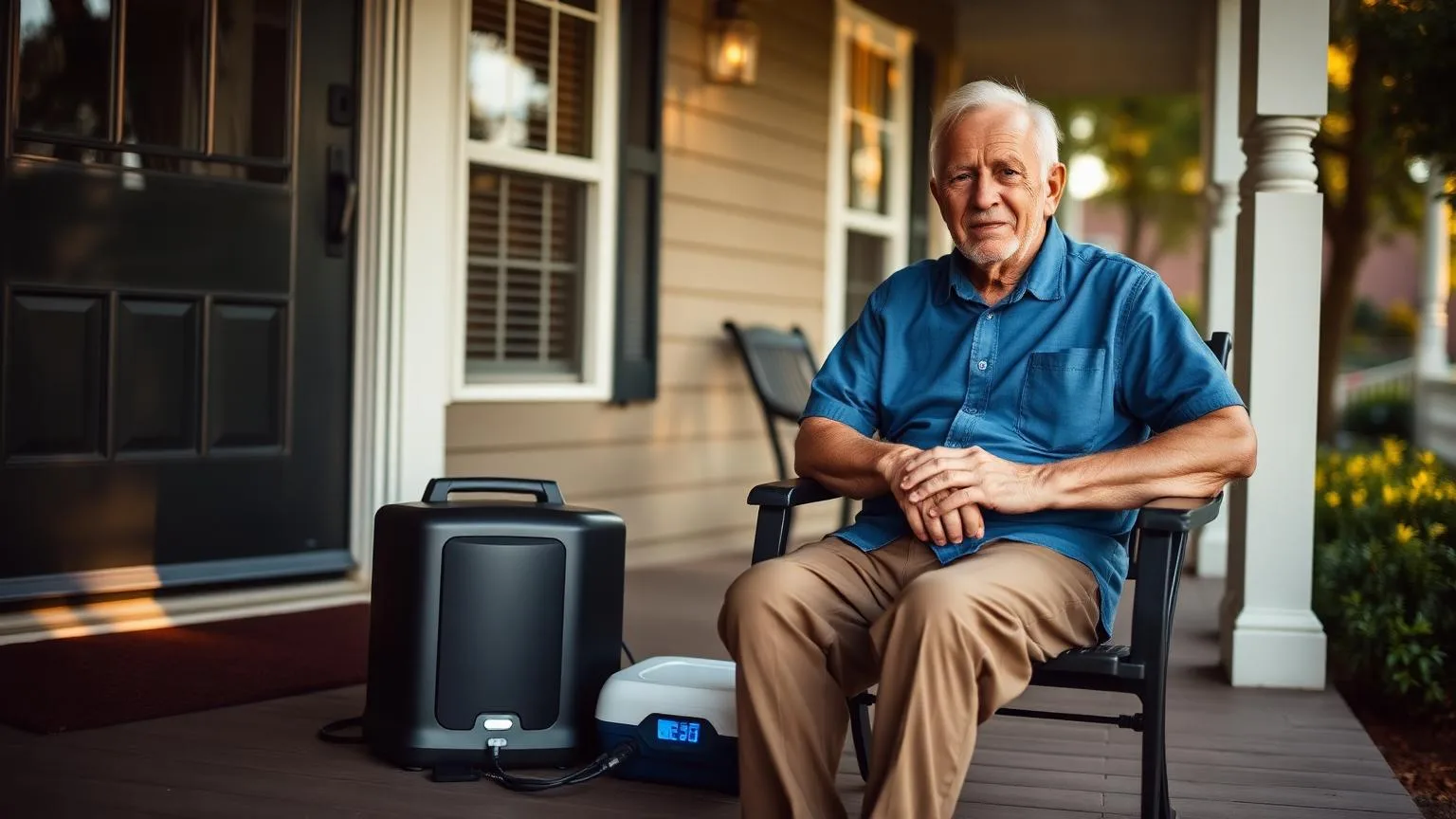
We will not pretend COPD is a small thing on an application. It is one of the conditions that genuinely narrows the field. But "narrower" is not "nothing," and far too many Alabama families with a COPD diagnosis simply give up and leave their spouse with the funeral bill.
Here is the honest map.
Short answer
Yes — most people with COPD can still get some form of life insurance. Mild, stable COPD in a former smoker can often qualify for term coverage at a table rating. Moderate disease usually fits final expense whole life with immediate or near-immediate coverage. Severe COPD and oxygen dependence point to guaranteed-issue policies: smaller amounts, a two-year waiting period on the full benefit, but no health questions and real protection for the funeral bill.What underwriters actually look at
Severity. Underwriters want your FEV1 percentage from spirometry. Above 70% of predicted is mild. 50-70% is moderate. Below 50% is severe.
Smoking status. Current smoker versus quit-date matters more here than with almost any other condition. Twelve months smoke-free is the threshold most carriers use to reprice at non-tobacco rates.
Exacerbations. Hospitalizations or steroid bursts in the last 12 months move you down a tier fast.
Oxygen. Continuous supplemental oxygen closes the door on fully underwritten term for essentially every carrier.
Your likely options
| How your COPD is doing | How underwriters often see it | What people commonly look at |
|---|---|---|
| Mild, former smoker 2+ years, no recent exacerbations | May qualify for term at a table rating, or final expense at a preferred class | Fully underwritten term, or final expense |
| Moderate, stable, no recent hospitalization | Often points to final expense whole life with first-day coverage | Final expense whole life |
| Severe, or a recent exacerbation | Often graded-benefit coverage with a two-year waiting period | Graded final expense |
| Oxygen dependent | Typically guaranteed issue only, no health questions | Guaranteed issue, often capped around $25,000 |
A graded or guaranteed-issue policy still pays every premium back plus interest if death occurs in the waiting period, and pays the full benefit after. For a spouse facing a $12,000 funeral, that is not a consolation prize.
What to gather before you apply
- Your most recent pulmonary function test with the FEV1 number
- Quit date if you have stopped smoking, and be exact
- A list of inhalers and whether you use maintenance therapy
- Dates of any hospitalizations or prednisone courses in the last two years
- Any oxygen prescription, including hours per day if prescribed
How a nurse helps
We read the spirometry and the medication list before the underwriter does, and we know which carriers still offer a class better than expected for mild disease. With COPD, product selection has to come before the application — a decline is recorded, follows you, and makes every later carrier more cautious. Applying once, to the right place, is the whole game.
Where families go wrong
They apply for term life, get declined, and stop trying. That decline was predictable: the product was wrong for the condition, not the family wrong for the product. The right first step is an honest severity read, then a match to the coverage type that fits it.
What we will tell you
If a fully underwritten policy is not realistic, we will say so on the first call instead of running you through an exam. If a guaranteed-issue plan is the right answer, we will show you the numbers plainly and let you decide. And if you quit smoking, come back at twelve months and we will re-shop it, because that milestone genuinely changes the math.
Start with the short assessment — it includes COPD, oxygen use, and smoking history — or read our final expense guide.
This article is general education, not medical or insurance advice. Every carrier has its own underwriting rules, and final decisions are made by the insurance company.
Health conditions & life insurance
More nurse-written guides on how underwriters read specific conditions:
Frequently asked questions
- Can I get term life insurance with COPD?
- Mild COPD in a former smoker with good spirometry can qualify for term coverage at a table rating. Moderate to severe COPD usually points toward final expense whole life instead.
- What if I use oxygen?
- Oxygen dependence rules out traditional term coverage, but guaranteed-issue final expense policies are still available with no health questions at all.
- Does quitting smoking help?
- Substantially. Most carriers reprice at non-tobacco rates after 12 months smoke-free, and some will re-review an existing policy after that mark.
- Can you get life insurance with severe COPD?
- Severe COPD usually closes the door on fully underwritten term, but graded or guaranteed-issue final expense coverage generally remains available — smaller policies with a two-year waiting period on the full benefit, but real protection all the same.
- What is the best life insurance for someone with COPD?
- It depends on severity. Mild, stable COPD with good spirometry often supports term coverage; moderate disease usually fits final expense whole life best; oxygen dependence typically points to guaranteed issue. Matching the product before applying matters more with COPD than with almost any other condition.
Not sure where you'd land?
Get a free coverage check — we'll review your health history with you before any application.
Get My Free Coverage Check