Life Insurance With Sleep Apnea in Alabama: What Underwriters Look For
Sleep apnea is not a decline. Here is exactly what carriers ask, why CPAP compliance can earn you a better rate, and what to have ready before you apply.
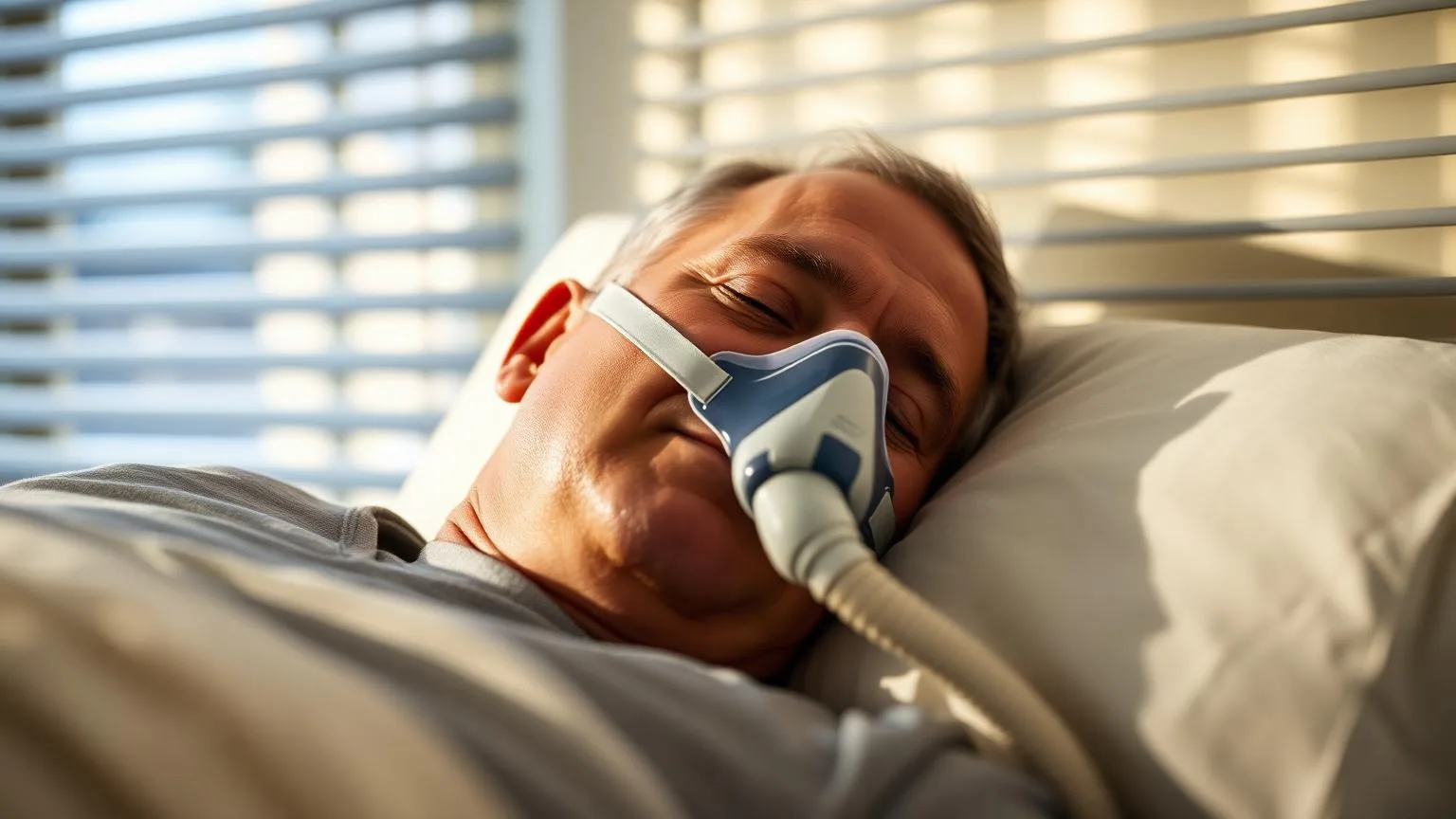
Sleep apnea shows up on a huge share of the applications we read, and almost every one of those clients opened with the same sentence: "I figured this would make me uninsurable." It usually does not.
Here is how the file actually gets read.
The four questions every underwriter asks
1. Which type? Obstructive (OSA) is the common one and the friendlier one. Central sleep apnea is underwritten by whatever is causing it, usually cardiac. 2. How severe? This is your AHI, the apnea-hypopnea index from your sleep study. Under 15 is mild to moderate. Over 30 is severe. 3. Is it treated? CPAP, an oral appliance, or surgery, plus evidence you are actually using it. 4. What travels with it? Sleep apnea rarely arrives alone. BMI, hypertension, atrial fibrillation, and type 2 diabetes are what usually drive the final offer.
Realistic outcomes
- Mild OSA, CPAP compliant, no other conditions — frequently Preferred or Standard
- Moderate OSA, treated, BMI slightly elevated — usually Standard to Table 2
- Severe OSA, treated and compliant, no cardiac involvement — often Standard to Table 4
- Severe OSA, untreated or non-compliant — expect a rating or a postpone
The gap between the last two lines is worth thousands of dollars over the life of a policy. That gap is CPAP compliance data, which you can download from your machine or request from your DME supplier.
What to have ready before you apply
- The date and results of your sleep study, including the AHI number
- Your treatment method and the date you started
- A compliance report covering the last 90 days if you use CPAP
- Current height, weight, and blood pressure readings
- Any weight loss over the past year, which underwriters like to see
If you had bariatric surgery or lost significant weight and a repeat sleep study showed improvement, send that too. A resolved apnea diagnosis is worth requesting a re-review for.
The nurse advantage, plainly
Carriers are not equally generous. Some treat any severe-category AHI as an automatic table rating regardless of compliance. Others weight compliance heavily and will issue Standard. We keep track of which is which, so we can steer your application to the carrier most likely to say yes at the best rate — before you have a decline on your record.
That last point matters more than people realize. A declined application follows you, because carriers report to the MIB. Applying once, to the right carrier, is genuinely cheaper than shopping blind.
Next step
Our 90-second form includes sleep apnea, CPAP use, and the related conditions, so we can tell you where you are likely to land before an application is ever submitted. You can also read our companion guides on diabetes and high blood pressure.
Frequently asked questions
- Will sleep apnea disqualify me from life insurance?
- Almost never. Mild to moderate obstructive sleep apnea that is treated and compliant is often approved at standard rates. Untreated severe apnea, especially with obesity or heart involvement, is what causes ratings or declines.
- Does using a CPAP hurt my rate?
- It helps. Documented CPAP compliance tells the underwriter the condition is controlled. Being diagnosed and treated is a better file than being undiagnosed and symptomatic.
- What is central sleep apnea rated differently?
- Yes. Central sleep apnea is often linked to heart failure or neurological issues, so carriers underwrite the underlying cause rather than the apnea itself.
Peace of mind, backed by nurses.
Free 20-minute coverage review. No pressure. Just clarity.
Book my coverage review